Game Design as a Pedagogical Tool: How to Build Engaging Learning Environments

Building an educational game is a delicate balancing act. If the game is too educational, kids get bored quickly and stop playing. If it is too much like a regular game, they ignore the educational content entirely. The designers of RAPUNSEL had to walk this fine line, creating a space where the act of playing and the act of coding were identical.
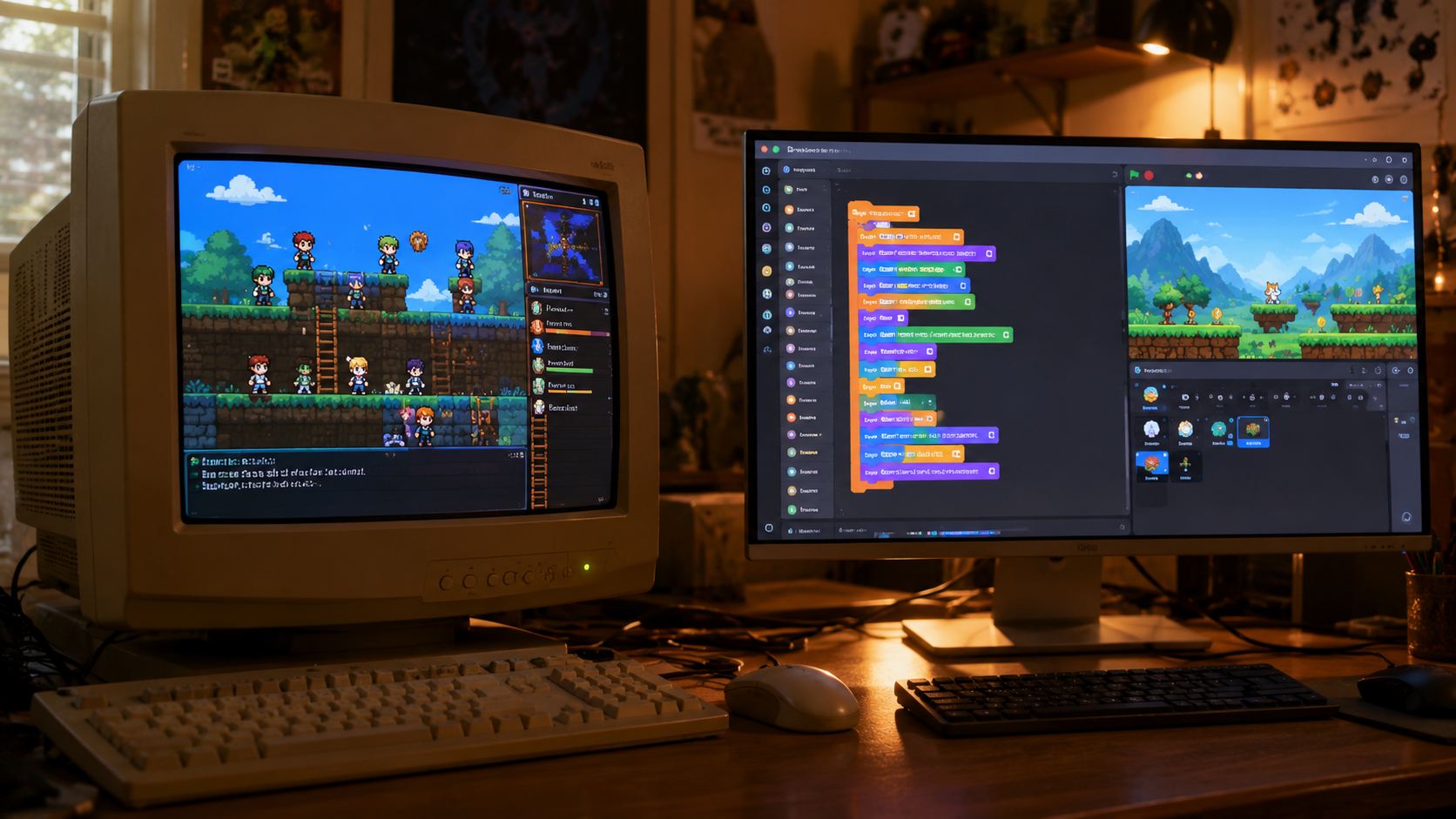
To achieve this, the team integrated the programming interface directly into the game mechanics. Coding was not a separate mini-game; it was the physics engine of the world itself. If a player wanted to open a locked door, they had to write a script to change the door’s state. If they wanted to build a bridge, they had to write code to spawn blocks. By making code the default way to interact with the world, the designers ensured that players had to learn Java to progress in the game.
This seamless integration of learning and play is the gold standard of educational game design. RAPUNSEL provided a blueprint for modern developers, showing that the best way to teach is to make the subject matter the core mechanic of the game.