





Latest News
Blogging
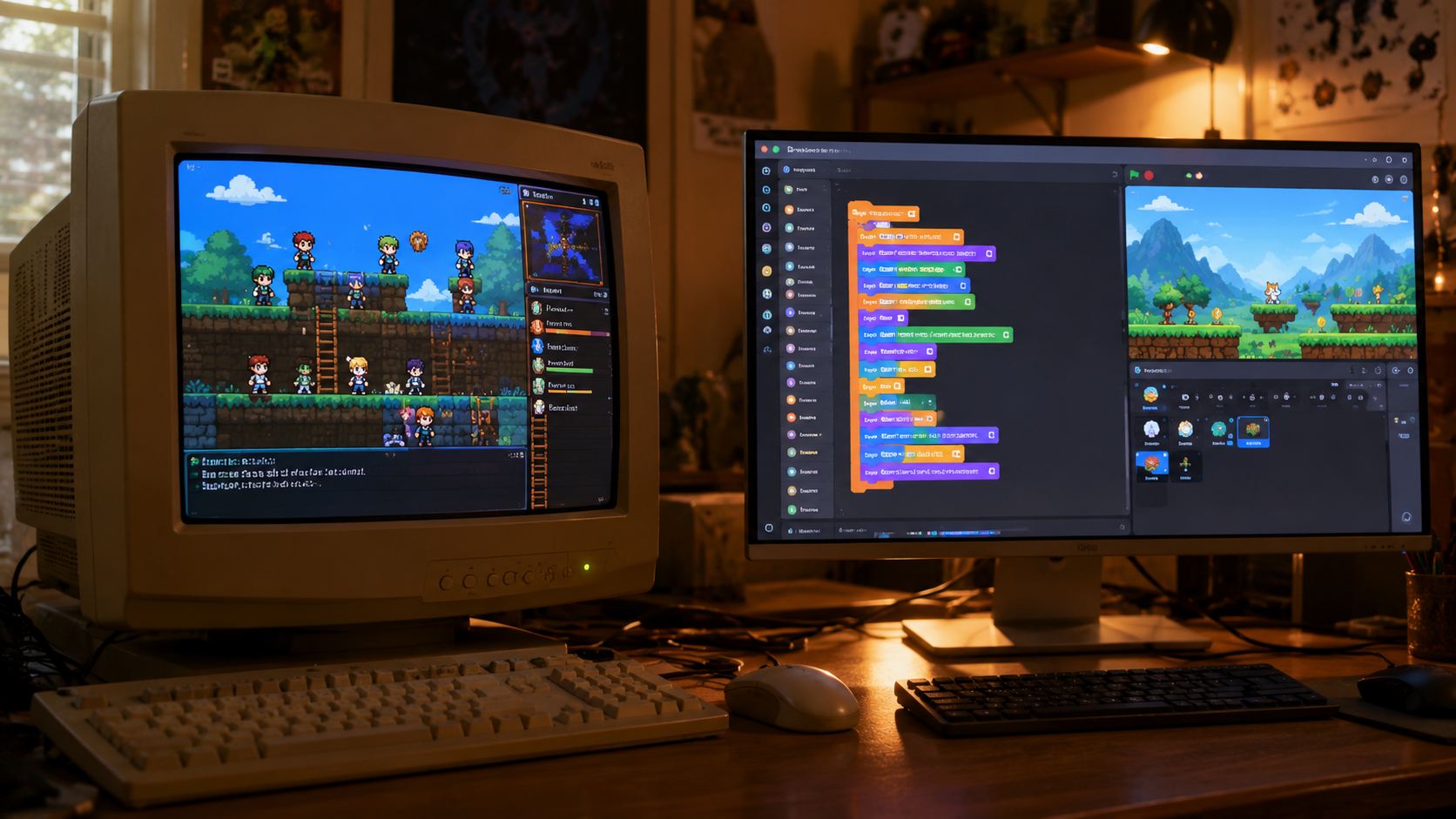
The Legacy of Early 2000s Educational Games: What Modern Developers Can Learn
The early 2000s was a gold rush era for educational software. With the rapid expansion…

Blogging
Why Traditional Computer Science Curriculums Often Alienate Underrepresented Groups
Traditional computer science education has historically favored a specific type of student: those who already…
Blogging
Java in the Classroom: Deciding on the Right First Programming Language for Kids
Choosing the first programming language for beginners is a debated topic among computer science educators.…
Blogging
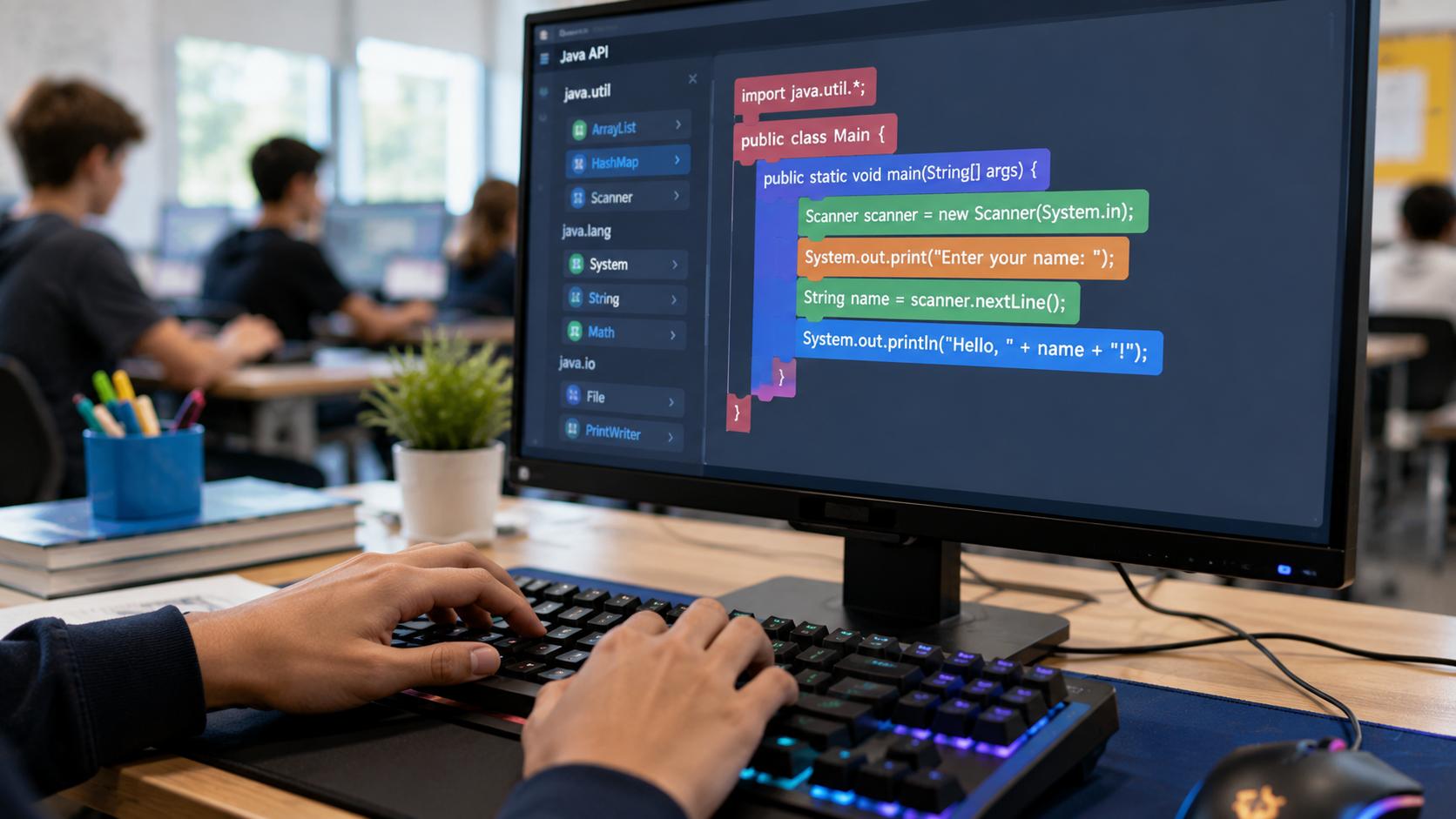
Java in the Classroom: Deciding on the Right First Programming Language for Kids
Choosing the first programming language for beginners is a debated topic among computer science educators.…
Blogging
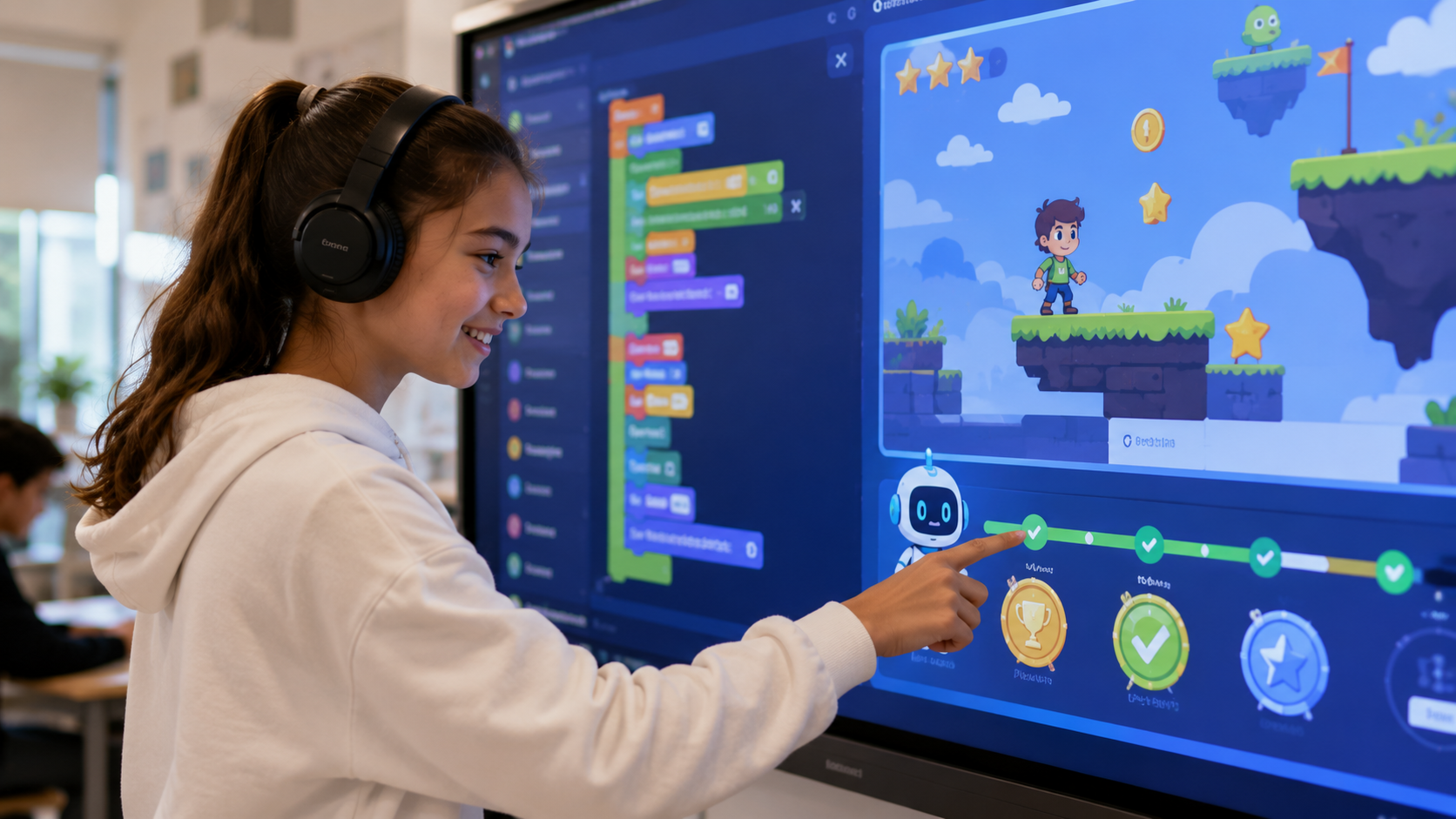
The Challenge of Keeping Kids Engaged in STEM: A Look at Interactive Methods
Getting kids interested in science, technology, engineering, and math (STEM) is relatively easy. The real…

Blogging
Game Design as a Pedagogical Tool: How to Build Engaging Learning Environments
Building an educational game is a delicate balancing act. If the game is too educational,…

Blogging
Evaluating the NSF-Funded Initiative: Did RAPUNSEL Achieve Its Educational Goals?
When the National Science Foundation (NSF) funded the RAPUNSEL project, it was a bold experiment…

Blogging
Real-Time Applied Programming: The Core Philosophy of the RAPUNSEL Project
The acronym RAPUNSEL stands for Real-time, Applied Programming for Underrepresented Students' Early Literacy. Every word…

Blogging
Why Networked Gaming Communities Foster Better Collaborative Coding Habits
Learning to code in isolation is difficult. When you get stuck on a bug alone…

Blogging
Moving Beyond Syntax: Encouraging Creative Expression in STEM for Girls
For decades, STEM education has suffered from an image problem. Many young students view fields…