Rethinking Computer Science Education: How RAPUNSEL Taught Java to Middle Schoolers

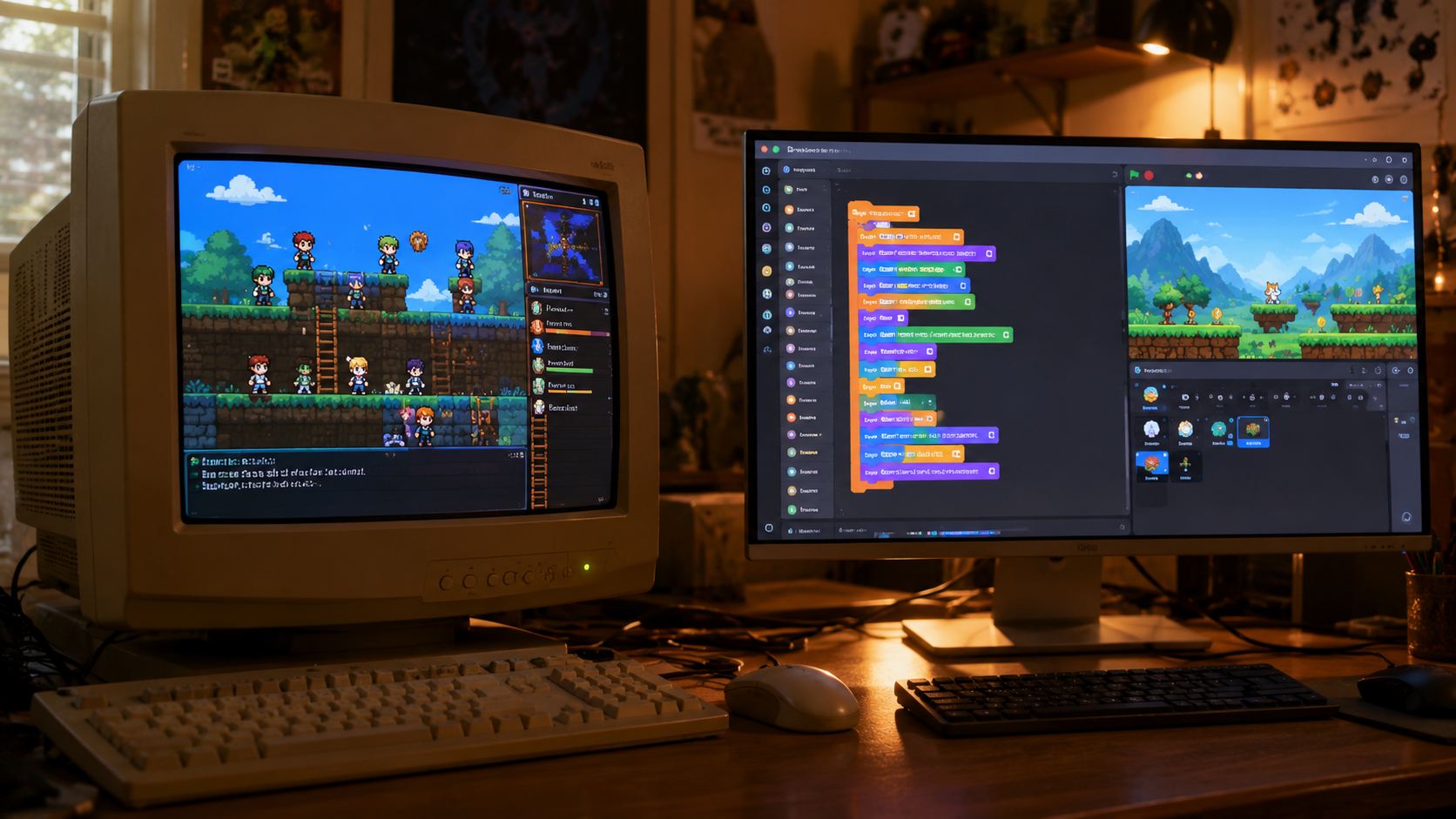
Teaching computer programming to middle school kids has always been a tough nut to crack. In the early 2000s, standard computer science classes relied on dry lectures and syntax-heavy exercises. For many kids, especially girls, this approach felt distant and boring. The RAPUNSEL project sought to disrupt this dynamic. Instead of forcing students to write line after line of text in an empty editor, researchers wanted to hide code inside something kids already loved: multiplayer online games.
Funded by the National Science Foundation, the project was built on the idea that coding is a form of literacy. If kids learn to read and write by using language in social settings, they can learn Java the same way. By placing middle schoolers in a colorful virtual world, the game allowed them to change their surroundings by writing small scripts. Suddenly, coding was no longer about memorizing brackets and semicolons. It was about making things happen in real time, like changing character behaviors or creating dance moves.
By turning coding into an active tool for social play, RAPUNSEL bypassed the usual anxiety associated with STEM subjects. The project showed that when you remove the intimidating barriers of traditional computer labs, kids are more than capable of grasping complex programming concepts. It changed how educators viewed game-based learning, proving that play can be a powerful engine for serious intellectual growth.