How Multiplayer Games Can Serve as Self-Teaching Programming Environments

The dream of any educational software developer is to create a self-teaching system. In standard classrooms, students often get stuck on coding syntax errors, requiring constant teacher intervention. The creators of RAPUNSEL aimed to solve this bottleneck by designing a game environment where the feedback loop was so clear that players could debug their code on their own.
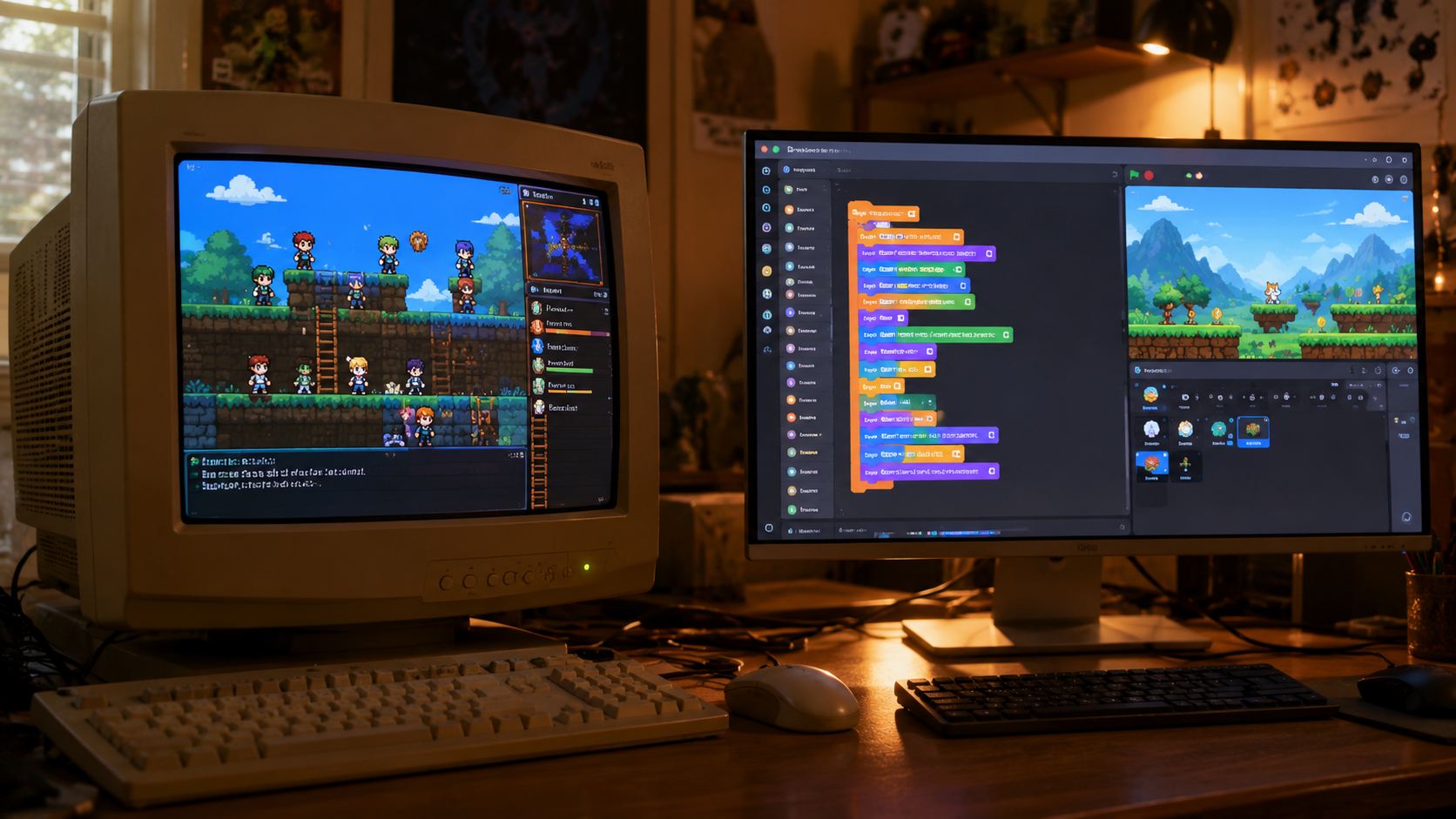
In the RAPUNSEL game, Java code was tied directly to visual animations. If a student wrote a script to make a character jump, but forgot a semicolon, the character simply would not move, and the game engine would point out the line with the error. By seeing the physical manifestation of their code instantly, kids could easily connect their logic to the visual outcome. They did not need a teacher to tell them something was wrong; they could see it on screen.
This self-guided troubleshooting is a core skill for any programmer. The game environment built confidence by allowing kids to experiment, fail safely, and correct their mistakes without the fear of getting a bad grade. This method shifted the focus of learning from memorization to exploration, turning the computer screen into a laboratory of trial and error.